

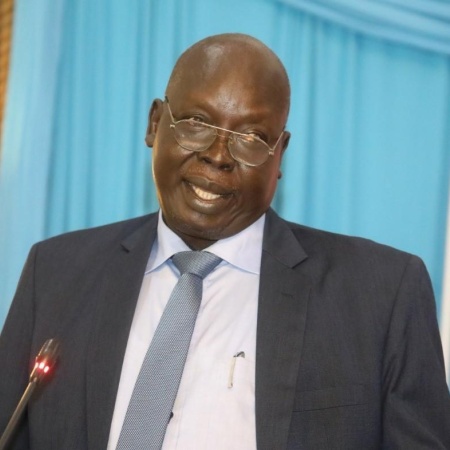
South Sudan’s draft 2025–26 budget proposes more than a fivefold increase in funding for the Anti-Corruption Commission, but experts say money alone may not curb widespread graft.
The commission is allocated 6.58 billion South Sudanese pounds under the proposal, compared to 342 million pounds in the previous fiscal year’s outturns. The spending plan awaits parliamentary approval.
More than 2 billion pounds is earmarked for staff training, alongside substantial allocations for contracted services, operational supplies, and medical expenses. Staffing levels are also expected to grow from 64 to 115 employees, including new prosecutors and asset recovery investigators.
President Salva Kiir’s administration has faced years of criticism over corruption allegations, with senior officials accused of misusing public funds while large portions of the population lack basic services.
Policy analyst Boboya James Edimond described the increased funding as encouraging but insufficient without institutional reform.
“The increase is positive, but structural barriers remain,” he said, citing weak enforcement mechanisms, limited operational independence, and political interference.
Edimond noted that successful anti-corruption efforts require coordination between the commission, the justice ministry, and the judiciary. Without prosecutorial follow-through and legal protections from external pressure, he warned, the expanded budget could have limited impact.
He also called for stronger whistleblower protections and greater transparency in public reporting.
The proposed increase comes as Finance Minister Bak Barnaba Chol pushes for revenue mobilisation and improved tax compliance. Government spending for 2025–26 is projected at 8.58 trillion pounds, with oil revenues accounting for nearly three-quarters of total income.
South Sudan remains among the world’s most corrupt nations, consistently ranking near the bottom of global transparency indexes.





Leave a Reply